THE IN-WALL EVOLUTION
Why In-Wall Aquariums Have Become More Popular
One of the biggest reasons for the rise in popularity of in-wall aquariums is the improvement in aquarium technology. Older systems were often difficult to maintain because filters were noisy, lighting generated excessive heat, and access to plumbing was limited. Modern aquarium equipment has solved many of those problems.
Today’s hobbyists can install quiet canister filters, energy-efficient LED lighting, and compact sump systems that fit neatly behind walls or inside cabinets. These improvements have made built-in aquariums more practical for homeowners who want a clean, modern appearance without sacrificing functionality.
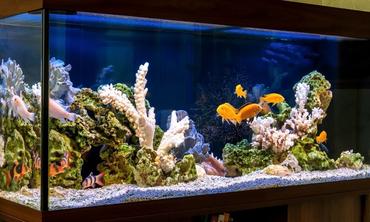
Another major factor is interior design. Many homeowners prefer the seamless look of an aquarium integrated directly into a wall instead of a traditional freestanding tank with visible wires and equipment. In-wall aquariums can create a calm and immersive atmosphere that immediately draws attention.
Common locations for in-wall aquariums include:
- Living room feature walls
- Dining room dividers
- Home office spaces
- Finished basements
- Restaurant waiting areas
Freshwater aquariums are often recommended for beginners because they are generally easier and less expensive to maintain than marine systems. Hobbyists who are still deciding between freshwater and saltwater setups can benefit from reading Saltwater Versus Freshwater Aquariums, which explains the major differences in equipment, cost, and maintenance requirements.
One overlooked advantage of in-wall aquariums is environmental stability. Because part of the tank is enclosed inside a wall, water temperatures often remain more stable compared to freestanding aquariums exposed on all sides. Stable temperatures are especially beneficial for sensitive fish species and reef systems.
Many hobbyists also appreciate the reduced clutter. Filters, heaters, electrical cords, and plumbing equipment can all be hidden behind the wall, creating a much cleaner overall appearance.
Planning an In-Wall Aquarium Properly
The most common mistake beginners make with in-wall aquariums is focusing entirely on aesthetics while ignoring maintenance access. A tank may look incredible from the viewing side, but poor access behind the aquarium can make routine maintenance extremely frustrating.
Before installation begins, determine whether the wall is load-bearing. Removing structural supports without proper planning can create serious safety issues. Many hobbyists work with contractors or carpenters during the installation process to ensure the wall remains structurally sound.
Tank dimensions are equally important. Long aquariums generally work better than very tall tanks because they provide more swimming space and create a wider viewing area.
Popular beginner-friendly sizes include:
- 75-gallon freshwater community aquariums
- 90-gallon planted tanks
- 120-gallon fish-only saltwater systems
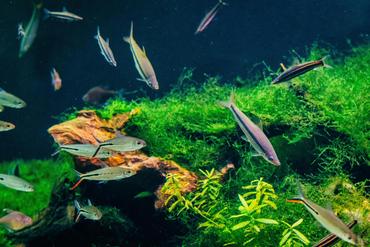
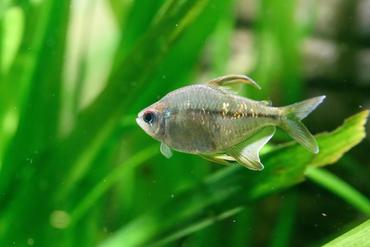
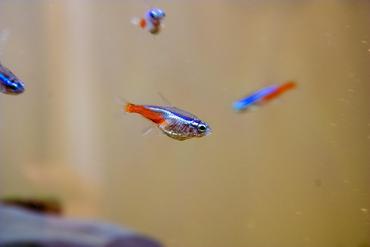
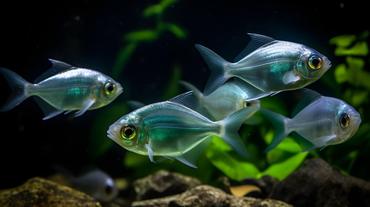
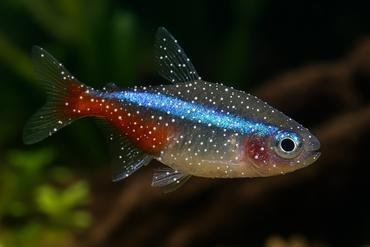
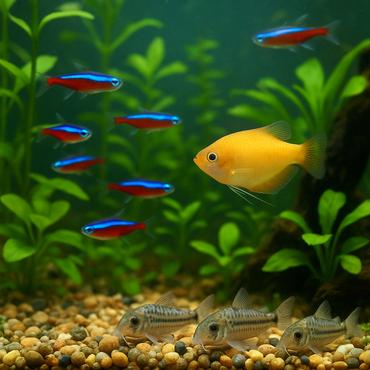
Long tanks allow schooling fish to display more natural behavior. Fish such as Rainbowfish, Cardinal Tetras, and Congo Tetras often look far more impressive swimming in groups across a panoramic display.
When planning the installation, hobbyists should leave enough room behind the aquarium for:
- Water changes
- Filter maintenance
- Light adjustments
- Equipment replacement
- Fish removal if necessary
Another important factor is humidity control. Saltwater aquariums especially can create moisture buildup inside enclosed wall spaces. Proper ventilation helps prevent mold growth and long-term damage to surrounding materials.
Electrical planning should never be overlooked either. Dedicated GFCI outlets and proper drip loops greatly reduce the risk of electrical accidents around water.
Many beginners underestimate how much equipment modern aquariums require. Even relatively simple freshwater systems may include heaters, filters, air pumps, automatic feeders, and lighting controllers. Planning these details in advance creates a cleaner and safer installation.
Choosing Fish for an In-Wall Display
Fish selection becomes especially important in display aquariums because visibility and behavior matter just as much as color. Some species that appear attractive in stores spend much of their time hiding once introduced into larger aquariums.
Active schooling species typically create the best visual impact in in-wall tanks because they constantly move throughout the display area.
Excellent freshwater fish choices include:
- Cardinal Tetras
- Harlequin Rasboras
- Congo Tetras
- Rainbowfish
- Pearl Gouramis
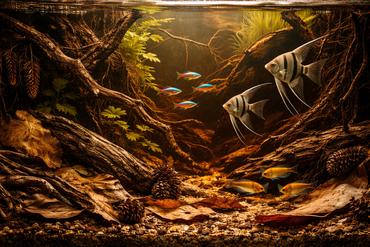
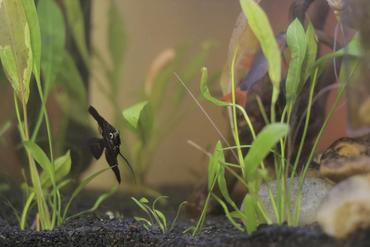
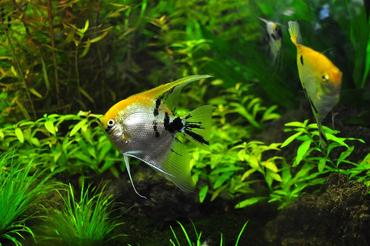
Many hobbyists also include centerpiece fish such as Angelfish or Discus in larger freshwater displays. Angelfish are particularly popular because of their graceful swimming behavior and impressive finnage. Beginners interested in this species can learn more from Everything You Need to Know About Freshwater Angelfish.
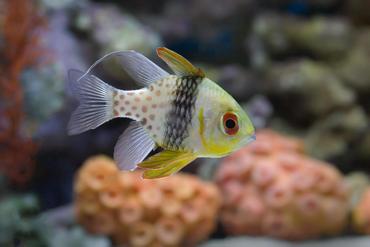
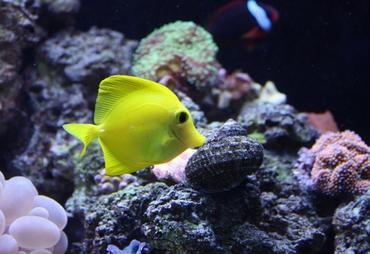
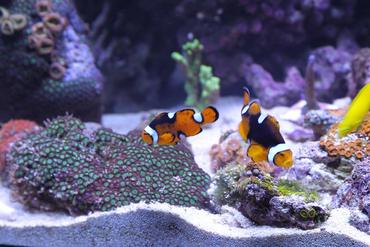
Saltwater hobbyists often prefer brightly colored fish that remain visible throughout the day. Clownfish, Firefish Gobies, Royal Grammas, and Yellow Tangs are all popular choices for reef displays.
However, stocking decisions should never be based solely on appearance. Fish compatibility, adult size, and territorial behavior must all be considered carefully.
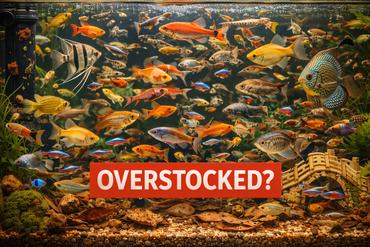
One of the biggest beginner mistakes is overstocking the aquarium too quickly. Even large tanks require time to establish stable biological filtration. Adding too many fish at once can overwhelm the nitrogen cycle and create dangerous ammonia spikes.
Patience remains one of the most valuable skills in fishkeeping. Gradual stocking allows beneficial bacteria colonies to develop naturally while giving fish time to adapt to their environment.
It is also important to think about long-term growth. Juvenile fish may appear small in stores but eventually outgrow tanks that initially seemed spacious. Some species that are commonly sold for community aquariums can become aggressive or territorial as adults.
The Evolution of Aquarium Equipment
The advancement of aquarium equipment has completely changed what is possible with in-wall aquariums. Older systems often relied on loud filters, inefficient lighting, and bulky equipment that generated large amounts of heat.
Modern aquarium technology is quieter, more efficient, and easier to automate.
Canister filters remain one of the most popular choices for freshwater in-wall setups because they are compact and easy to conceal behind walls or inside cabinets. Larger aquariums often benefit from sump filtration systems that increase water volume and improve equipment organization.
LED lighting has also revolutionized aquarium keeping. Today’s LED systems consume far less electricity while producing customizable lighting spectrums that enhance fish coloration and plant growth.
For reef aquariums, programmable lighting systems can simulate sunrise and sunset cycles, creating more natural conditions for coral health.
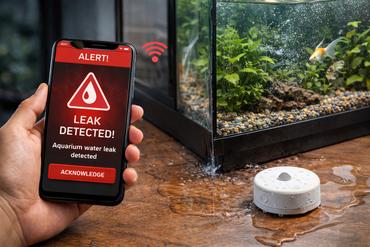
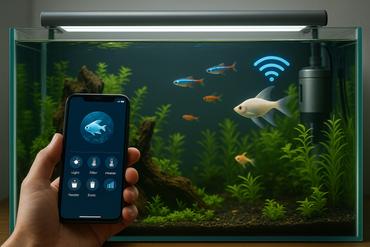
Another major improvement is the availability of smart monitoring systems. Modern aquarium controllers can monitor:
- Temperature
- pH levels
- Salinity
- Water levels
- Equipment performance
Some systems even send alerts directly to smartphones if equipment malfunctions occur.
Despite all of these technological improvements, biological filtration still remains the foundation of every healthy aquarium. No amount of expensive equipment can compensate for poor water quality or an incomplete nitrogen cycle.
Before adding fish, every aquarium must establish beneficial bacteria capable of processing waste safely. Beginners who skip this process often experience fish losses due to ammonia spikes. Hobbyists unfamiliar with aquarium cycling should read The Process of Cycling a Fish Tank before starting a new setup.
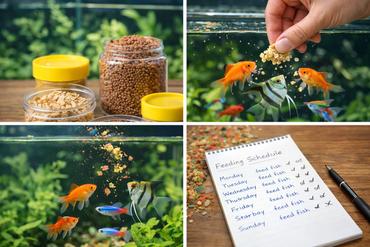
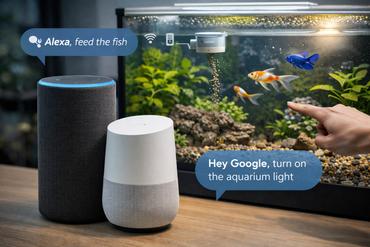
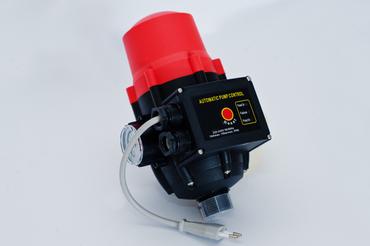
Another modern trend is automation. Automatic top-off systems, dosing pumps, and smart feeders can simplify routine care tasks significantly. While automation is helpful, it should never completely replace regular observation and maintenance.
Compatibility and Long-Term Maintenance
Fish compatibility becomes even more important in built-in aquariums because catching and removing aggressive fish can be challenging once the aquascape is established.
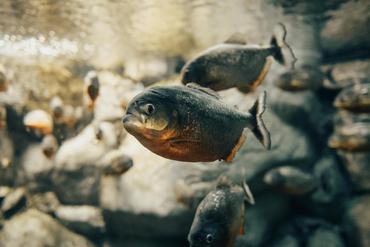
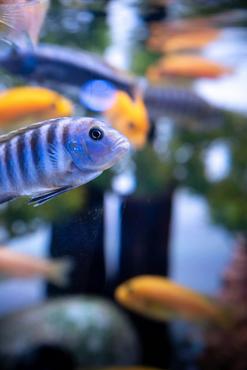
Many beginners accidentally combine fish with incompatible temperaments. Aggressive cichlids, for example, may harass peaceful schooling fish constantly. Similarly, some saltwater species become highly territorial once established.
When planning compatibility, hobbyists should consider:
- Adult fish size
- Swimming behavior
- Territorial tendencies
- Water chemistry requirements
- Feeding habits
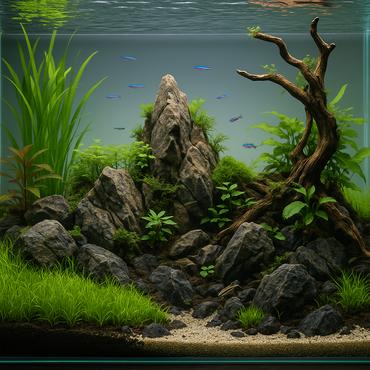
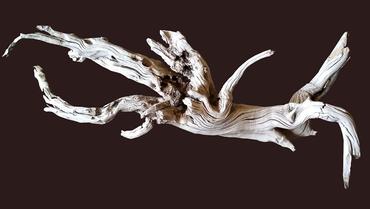
Aquascaping also plays an important role in reducing aggression. Driftwood, rock structures, caves, and live plants create visual barriers that help fish establish territories naturally.
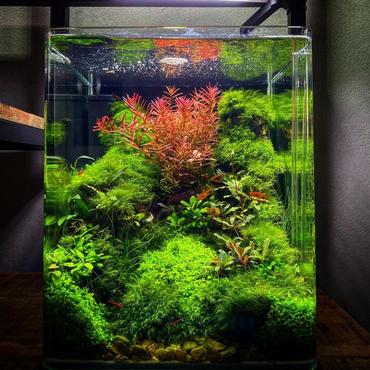
Many modern in-wall aquariums incorporate live plants not only for aesthetics but also for biological benefits. Plants help absorb nitrates, improve oxygenation, and create more natural environments for fish.
Long-term maintenance is another area where hobbyists often underestimate the workload involved with large display tanks. Even well-designed systems still require regular care.
Routine maintenance typically includes:
- Partial water changes
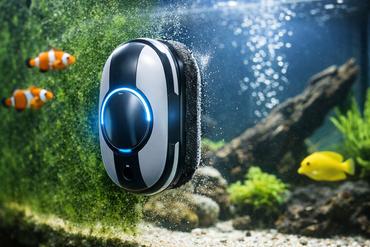
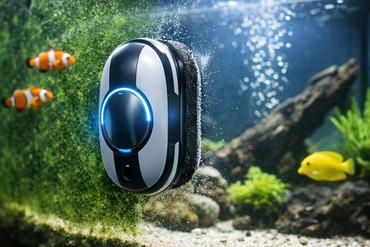
- Glass cleaning
- Filter maintenance
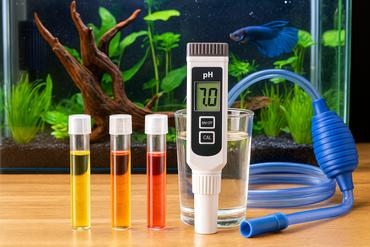
- Water testing
- Equipment inspections
Algae growth is one of the most common challenges in display aquariums because strong lighting and long viewing hours encourage algae development. Excess nutrients, overfeeding, and inconsistent maintenance can all worsen algae problems.
Water testing is especially important in larger aquariums because water problems may not become visible until fish are already stressed. Regular testing helps hobbyists identify issues before they become dangerous.
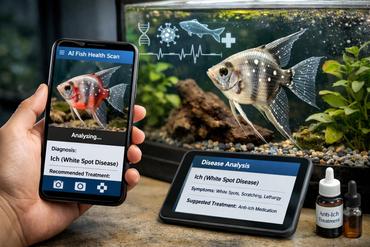
Quarantine procedures are another frequently overlooked aspect of fishkeeping. Introducing new fish directly into a display tank can spread parasites or disease rapidly. Since removing fish from in-wall aquariums can be difficult, quarantining livestock beforehand is highly recommended.
Many experienced hobbyists also keep backup equipment such as spare heaters and pumps. Equipment failures can happen unexpectedly, and having replacements available helps prevent emergencies.
The Future of In-Wall Aquariums
The future of in-wall aquariums continues to evolve alongside advancements in aquarium technology and interior design. Modern hobbyists now have access to quieter pumps, highly efficient lighting systems, wireless monitoring technology, and custom acrylic aquariums designed specifically for built-in installations.
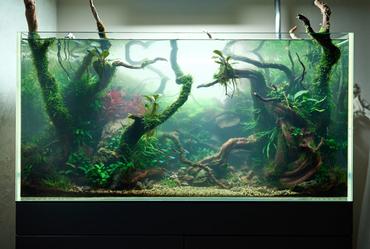
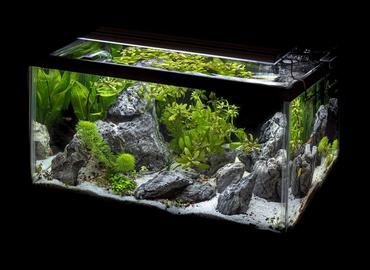
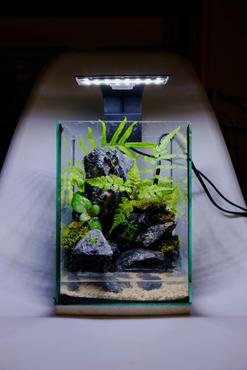
Natural-style aquascaping has become one of the fastest-growing trends in the hobby. Rather than focusing only on fish, many hobbyists now create immersive underwater landscapes inspired by rivers, lakes, and coral reefs.
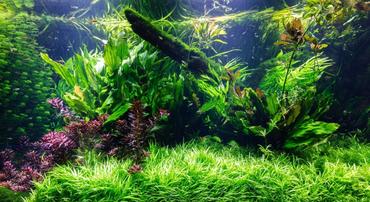
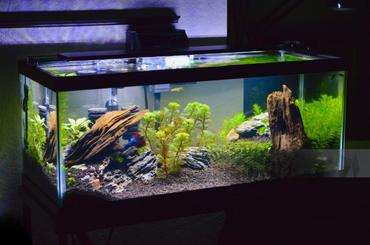
Freshwater planted aquariums are especially popular because they combine visual beauty with biological stability. Live plants improve water quality while creating more natural environments for fish.
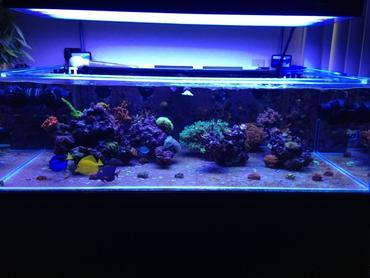
Saltwater reef systems continue pushing the limits of aquarium technology as well. Improved coral care products, advanced lighting systems, and automated dosing equipment have made reefkeeping more accessible to intermediate hobbyists.
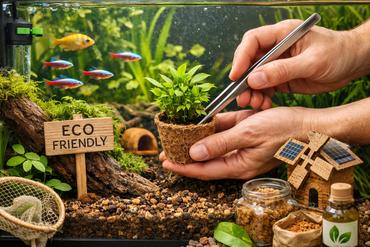
At the same time, sustainability has become a growing focus within the aquarium industry. Energy-efficient equipment, captive-bred fish programs, and environmentally responsible aquascaping materials are becoming increasingly important to hobbyists worldwide.
Even with these advancements, the core principles of fishkeeping remain unchanged. Stable water quality, proper stocking, consistent maintenance, and patience are still the keys to long-term success.
Final Takeaway
In-wall aquariums have evolved from complicated specialty installations into achievable and rewarding projects for modern aquarium hobbyists. With proper planning, reliable equipment, and thoughtful fish selection, these systems can become breathtaking centerpieces that transform entire rooms.
Whether you choose a freshwater community aquarium filled with colorful schooling fish or a vibrant saltwater reef display, success depends on maintaining stable water conditions and staying committed to regular maintenance.
The most successful in-wall aquariums are designed around both beauty and practicality. Planning for maintenance access, investing in quality filtration, and understanding fish compatibility will help prevent many of the common problems beginners encounter.
As aquarium technology continues to improve, in-wall aquariums will likely become even more accessible and efficient in the future. Until then, patience, preparation, and consistency remain the foundation of every thriving aquarium system.
MOST RECENT ARTICLES