CHOOSING THE RIGHT FILTRATION SYSTEM FOR YOUR AQUARIUM

Choosing the Right Filtration System for Your Aquarium
Walking into a local pet shop or browsing an online aquatics retailer can feel incredibly overwhelming when you look at the sheer wall of filtration options available today. From hummable little sponge filters bubbling away in the corner to massive, heavy-duty canister setups that look like high-tech laboratory equipment, finding the perfect match for your tank is one of the most critical decisions you will make. Your filter is not just a mechanical device that clears up floating debris; it is the literal life-support system of your aquatic ecosystem. It serves as the home for billions of beneficial bacteria that neutralize toxic waste, creates essential surface agitation for oxygen exchange, and generates the water currents your fish rely on for exercise and comfort. Choosing the right filtration system means balancing the unique biological needs of your specific fish with the physical dynamics of your tank size, ensuring your underwater habitat remains pristine, clear, and safe for the long haul.

The Three Stages of Essential Aquarium Filtration

Before you can select a specific piece of equipment, you must understand what happens inside a filter casing. True aquarium filtration is broken down into three distinct, independent stages: mechanical, biological, and chemical. A common beginner mistake is thinking that a single filter cartridge does all three equally well without maintenance. In reality, a successful aquarist customizes these layers to maximize efficiency. Mechanical filtration is your first line of defense. It consists of porous materials like filter floss, coarse sponges, or bonded pads that physically trap free-floating particles, fish feces, uneaten food flakes, and dead plant leaves. Without effective mechanical media, your water looks cloudy, and heavy debris will quickly clog the deeper layers of your filter.

Biological filtration is the absolute heart of your system and cannot be bypassed. This stage relies on highly porous ceramic rings, bio-balls, or specialized sintered glass stones that provide a massive amount of microscopic surface area. This surface area is where your beneficial nitrifying bacteria colonize. These microscopic organisms work around the clock to convert highly toxic ammonia (produced by fish waste and decaying food) into less harmful nitrites, and finally into relatively safe nitrates. If you remove your biological media or wash it under chlorinated tap water, you will destroy this delicate bacterial colony, causing an immediate ammonia spike that can devastate sensitive species like neon tetras or fancy guppies.

Chemical filtration involves using specialized media, most commonly activated carbon or synthetic resins, to chemically pull dissolved impurities out of the water column. This stage is excellent for removing foul odors, clearing up yellow water discoloration caused by organic waste, and pulling out heavy metals. It is also an invaluable tool when you need to remove residual medications from the water after treating a sick fish. However, chemical filtration is not always necessary for a standard, healthy community aquarium. Activated carbon has a finite lifespan and must be replaced every three to four weeks; otherwise, it becomes saturated and ceases to function, turning into basic mechanical surface area.

Sponge and Hang-On-Back Filters: Great for Small to Medium Tanks

For small to medium-sized aquariums ranging from 5 to 30 gallons, sponge filters and Hang-On-Back (HOB) power filters are the undeniable staples of the hobby. A sponge filter is the simplest, most reliable design available. It consists of a weighted base, a block of coarse foam, and an airline tube connected to an external air pump. As air bubbles rise up through the center column, they lift water up with them, pulling aquarium water through the sponge. Sponge filters provide excellent mechanical filtration and a superb breeding ground for biological bacteria. Because they create gentle, diffused water movement and have absolutely no aggressive intake slots, they are the gold standard for housing fragile species like male bettas, fancy goldfish, or freshwater cherry shrimp colonies that could easily get sucked up into a motorized intake.

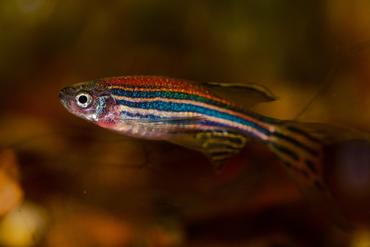
Hang-On-Back filters, often simply called power filters, are incredibly popular due to their convenience and ease of maintenance. These units mount directly onto the back glass rim of your aquarium, using a submerged intake pipe to pump water up into an external box. The water passes horizontally through various media cartridges before spilling gently back over the rim like a miniature waterfall. HOB filters are highly customizable, allowing intermediate hobbyists to toss out the cheap disposable cartridges and fill the internal chamber with high-quality ceramic rings and custom-cut sponge pads. They offer fantastic water turnover and excellent surface agitation, which dramatically boosts oxygen levels for active schooling fish like zebra danios and platies.

The main drawback of a standard HOB filter is its fixed spatial capacity and directional flow. If you have a heavily stocked 29-gallon aquarium featuring fast-moving livebearers, a single small power filter might develop "dead zones" where water circulation completely stops, allowing debris to pile up in the corners of your substrate. Additionally, the waterfall design can cause too much turbulence for slow-moving, long-finned fish, causing them to hide constantly or become physically exhausted from fighting the current. To ensure your water stays properly balanced while using these styles, it is incredibly helpful to monitor the hidden chemical changes occurring in your water column. Read our guide on aquarium water chemistry made simple to fully understand how your filter handles your tank's bio-load.

Canister and Internal Filters: Advanced Power for Large Setups

When you cross over into larger aquariums exceeding 40 or 50 gallons, or if you plan to keep large, messy fish species, standard power filters generally lose their effectiveness. This is where canister filters become the preferred choice for intermediate and advanced hobbyists. A canister filter sits completely hidden away underneath your aquarium inside the display stand. Two flexible hoses run from the canister up into the tank: one acts as a siphon to pull dirty water down, and the other uses a sealed motorized pump to push clean water back up through a spray bar or directional nozzle. Canister filters hold an enormous volume of media compared to any other filter type, allowing you to stack distinct layers of coarse mechanical foam, chemical carbon, and pounds of high-surface-area bio-media.

This immense media capacity makes canister filters perfect for heavy waste producers like Oscar cichlids, deep-bodied angelfish, or schools of large clown loaches. Because the water inside a canister is forced under pressure through every single layer of media without any paths of least resistance, bypass is virtually nonexistent, resulting in unmatched water clarity. The directional output nozzles also allow you to create sweeping circular currents across your entire tank layout, ensuring that waste is constantly pushed toward the intake pipe rather than settling into the gravel. The primary trade-off is maintenance complexity. Canister filters take significantly longer to open, clean, and prime than a simple HOB filter, meaning lazy hobbyists often neglect cleaning them, turning the canister into a hidden trap for trapped organic waste that slowly leaks nitrates back into the system.

Internal filters are a compact, fully submersible alternative that mounts directly to the inside glass using suction cups. These units contain a small powerhead motor at the top and a media compartment at the bottom. Internal filters are fantastic for providing localized water movement or serving as secondary mechanical polishing units in large setups. They are highly practical for shallow setups, such as turtle tanks or paludariums, where a traditional HOB or canister intake cannot function due to low water levels. However, because they sit entirely inside the viewing area, they take up valuable swimming space and can be difficult to visually conceal behind driftwood or live aquatic plants.

Compatibility, Flow Rates, and Biological Bio-Loads

Choosing a filtration system is not just about matching the filter box to the total gallons printed on your aquarium package. True filtration success depends heavily on understanding the specific biological bio-load of your fish and their physical tolerance for water movement. A classic beginner pitfall is purchasing a filter rated precisely for a "20-gallon tank" and stocking that tank with active, high-waste livebearers like mollies or swordtails. Manufacturers estimate their tank-size ratings based on light, minimal stocking configurations. For a thriving, diverse community tank, you should always look past the marketing labels and analyze the filter's GPH (Gallons Per Hour) rating.

As a golden rule of thumb, a standard community aquarium should have a filter that turns over the entire volume of the tank at least 4 to 6 times every hour. For instance, if you run a 30-gallon tank, your chosen filtration system should have a minimum flow rate of 120 to 180 GPH. However, if you are keeping heavy, messy waste producers like fancy goldfish, you should look for a heavy-duty setup that achieves 8 to 10 times turnover per hour, often requiring an oversized canister filter. Selecting species with overlapping physical needs is crucial here; pairing high-flow filtration with species that hate current is a recipe for disaster. To build a balanced community where your livestock matches both the filtration power and the social dynamics of the environment, be sure to study the basics of freshwater fish compatibility before adding new tank mates.

You must also carefully consider the physical limitations of your fish when adjusting your filter's output. A high-velocity canister spray bar is fantastic for active river-dwelling species like tinfoil barbs or rainbowfish, who love swimming against a brisk, oxygen-rich current. However, that exact same high-powered flow will stress a male betta fish to the point of exhaustion, pinning him into corners and fraying his delicate fins. If your water testing reveals that your waste levels require heavy filtration but your fish prefer calm waters, you can easily modify your setup. Placing a pre-filter sponge pad over a harsh intake pipe or adding a plastic baffle over a HOB spillway allows you to maintain massive biological filtration capacity without creating an unmanageable whirlpool in your display area.

The Filter Selection and Maintenance Checklist

To keep your filtration system operating at peak performance and prevent sudden biological failures, establish a structured maintenance routine. Use this quick reference checklist to guide your regular equipment management:

  • Always match your filter’s GPH flow rate to the specific bio-load and adult size of your target fish species, aiming for a minimum of 4x turnover hourly.
  • Never rinse your biological media (ceramic rings, bio-balls) directly under tap water; always rinse them inside a bucket of discarded aquarium water during a water change to preserve beneficial bacteria.
  • Install a pre-filter sponge over motorized intake tubes if you are keeping small shrimp, nano fish, or raising delicate fry.
  • Clean the mechanical filtration layer (sponges and filter floss) every two weeks to remove trapped debris before it decays and impacts water chemistry.
  • Inspect and clean the filter's magnetic impeller and motor well every few months to remove slime buildup and prevent mechanical failure.
  • Remove chemical media like activated carbon entirely from the filter housing before dosing any medications into your aquarium.
  • Avoid turning off your primary filter during the night, as stagnant water will quickly deplete oxygen levels and kill off your beneficial bacteria colonies.
  • When upgrading to a brand new filter, run it concurrently alongside your old filter for at least one month to allow bacteria to colonize the new media safely.

The Foundation of a Crystal-Clear Tank

Investing the time to select and customize the right filtration system is the absolute single best guarantee of long-term success in the aquarium hobby. Your filter is much more than a tool to achieve clear viewing water; it is a dynamic biological engine that actively stabilizes your entire environment. By understanding the distinct stages of filtration, calculating your actual GPH turnover needs, and avoiding common maintenance mistakes, you can easily create a beautiful, low-stress habitat where your fish can display their natural behaviors and brilliant colors. Once your filtration system is running efficiently, the next step to ensuring long-term success is mastering regular tank testing to keep an eye on your parameters. Explore our essential guide on water testing in your freshwater aquarium to ensure your new filter is processing waste flawlessly and maintaining a balanced home for your wet pets.

Choosing the Right Lighting According to Tank Size
Choosing the right lighting for your aquarium is a process that sits at the intersection of biological necessity and aesthetic art.
Properly Aerating Your Aquarium
Whether you’re setting up your very first tank or you’ve been keeping guppies and goldfish for years, ensuring proper aeration is essential to healthy, vibrant aquarium life.

MOST RECENT ARTICLES

Hardcore Aquascaping & Geology
HARDCORE AQUASCAPING & GEOLOGY
Hardcore aquascaping is where aquarium keeping meets geology, architecture, and natural ecosystem design.
Decoding Fish Body Language
DECODING FISH BODY LANGUAGE
Fish may not bark, chirp, or meow, but they communicate constantly through movement, posture, swimming patterns, coloration, and social behavior.
Wabi Kusa for Beginners
WABI KUSA FOR BEGINNERS
Wabi Kusa has become one of the most creative and relaxing trends in the aquarium hobby, blending aquascaping, terrarium design, and nature-inspired artistry into a compact living display.

Rate This Tank:

FRESHWATER AQUARIUM ARTICLES

African Cichlid Aggression - How to Reduce Aggression
Learn about the causes of cichlid aggression and methods for reducing it.
How to Interpret Fish Food Labels
Standing in front of a wall of fish food can feel overwhelming—bright packaging, bold claims, and ingredient lists that read more like a chemistry exam than a feeding guide.
Cultivating an Amazon Biotope Tank
If you’ve ever been captivated by the lush rivers and flooded forests of the Amazon Basin, setting up an Amazon biotope tank lets you bring a slice of this incredible ecosystem into your home aquarium.
Top 10 Beginner-Friendly Freshwater Fish (With Care & Compatibility Tips)
Embarking on the journey of fishkeeping is one of the most rewarding endeavors a nature lover can undertake, offering a unique blend of artistry, biology, and peaceful observation.
Live Plant Basics for Freshwater Community Aquariums
Stepping into the world of live aquatic plants is often the moment a casual fish keeper becomes a true aquarist, transitioning from someone who simply "has fish" to someone who "maintains an ecosystem.
Pea Puffer Care and Compatibility: Stocking Plans That Actually Work
The Pea Puffer (Carinotetraodon travancoricus) is often described as a pint-sized powerhouse with a personality that far outweighs its tiny frame.
Guppy Care Guide: How to Successfully Keep Guppies in a Freshwater Aquarium
he Guppy (Poecilia reticulata) is arguably the most iconic species in the aquarium hobby, often serving as the gateway fish for generations of successful aquarists.
Freshwater Water Parameter Guide (Complete 2025 Edition)
Maintaining a thriving freshwater aquarium is about much more than just a beautiful glass box and colorful fish; it is about managing a delicate, invisible ecosystem that exists within your living room.
Read more articles (8)

HEATING AND FILTRATION

Heating and filtration are two key elements in keeping your aquarium running properly. The articles in this category will help you choose the right heating and filtration system for your tank.

Choosing the Right Filtration System for Your Aquarium
Walking into a local pet shop or browsing an online aquatics retailer can feel incredibly overwhelming when you look at the sheer wall of filtration options available today.
Properly Aerating Your Aquarium
Whether you’re setting up your very first tank or you’ve been keeping guppies and goldfish for years, ensuring proper aeration is essential to healthy, vibrant aquarium life.
Using Carbon in a Freshwater Aquarium
Activated carbon is one of the most commonly used filter media in freshwater aquariums—and also one of the most misunderstood.
Common Problems with Tank Filters
You don’t have to be a genius to cultivate a thriving freshwater aquarium – all you need is the right tools and equipment.
Overview of Filter Media Types
When you first set up your aquarium, whether it’s a freshwater community tank with neon tetras or a saltwater reef with clownfish, one of the most important but often misunderstood aspects of keeping water clear and fish healthy is filter media — the materials inside your filter that help remove waste and keep the water balanced.
How to Make Your Own Sponge Filter
Sponge filters are one of the simplest, safest, and most underrated filtration systems in the aquarium hobby—and the good news is that you don’t need to buy one to enjoy the benefits.
Read more articles (6) Aquarium Setup (16)
All About Tropical Fish Tanks
An overview of tropical fish tanks, what they are, and the pros/cons of keeping one.
Questions to Ask Before Starting a Freshwater Fish Tank
Embarking on the journey of setting up your first freshwater aquarium is an exhilarating experience that blends art, science, and a touch of nature right in your living room.
An Overview of Fish Bowls
Fish bowls are one of the most recognizable symbols of fishkeeping, often associated with simplicity, minimal effort, and a single fish gently swimming in a clear glass sphere.
Wall Mounted Fish Tanks
Wall mounted fish tanks have transformed from futuristic novelties into a popular design choice for modern aquarium hobbyists looking to save floor space while adding a living piece of art to their home.
Acclimating Fish - Drip Method
Bringing home new fish is one of the most exciting moments in the aquarium hobby—but it’s also one of the most dangerous times for your livestock.
How to Select the Best Location for Your Tank
Where you place your aquarium can quietly determine whether your tank thrives for years or becomes a source of constant frustration.
When and How to Upgrade to a Larger Tank
Moving from a starter aquarium to a larger setup is one of the most exciting milestones for any hobbyist, representing both a growing passion for the craft and a commitment to the well-being of your aquatic inhabitants.
Moving - How to Prepare Your Tank for a Move
Moving house is stressful enough — moving an aquarium adds a whole new layer of complexity.
How to Select a Tank for a Freshwater Aquarium
Selecting your first or even your fiftieth freshwater aquarium is far more than a simple aesthetic choice; it is the most fundamental decision you will make as an aquarist.
What is a Biotope Tank?
For many aquarium hobbyists, the journey begins with a "community tank" featuring a mix of colorful fish from different corners of the globe.
FAQs for Novice Freshwater Hobbyists
Starting a freshwater aquarium is exciting, but it can also feel overwhelming when you’re faced with dozens of decisions about tank size, fish choices, equipment, and maintenance.
Safety Tips for Freshwater Aquariums
Maintaining a freshwater aquarium is a deeply rewarding journey that brings a slice of nature into your home, but the transition from a simple glass box to a thriving ecosystem requires more than just water and fish.
Cultivating a Healthy Discus Community Tank
Often hailed as the "King of the Aquarium," the Discus (Symphysodon) is a breathtaking centerpiece for any freshwater enthusiast, boasting a majestic saucer-like shape and a kaleidoscopic array of colors and patterns.
What is an Unfiltered Tank and How do I Cultivate One?
The modern aquarium hobby is often defined by high-tech gadgetry, from pressurized CO2 systems to canisters that look like they belong in a laboratory.
Tips for Aquascaping a Tank for Large Freshwater Fish
There is an undeniable majesty in keeping large freshwater fish, from the prehistoric allure of an Arowana to the puppy-like personality of a large Oscar.
Setting Up a Hospital Tank: Step-by-Step 14-Day Treatment Plan
Maintaining a thriving aquarium is a labor of love, but even the most diligent hobbyists will eventually encounter a sick fish or a sudden outbreak of disease.
Planted Tanks (10)
Freshwater Plant Article Database
Building a successful freshwater aquarium often starts with the fish, but it is the lush, green backdrop of live plants that truly brings the ecosystem to life.
Introduction to Planted Aquariums
Transforming a standard glass box into a lush, underwater garden is one of the most rewarding journeys an aquarium hobbyist can undertake.
Fish to Avoid for Planted Freshwater Tanks
If you’re passionate about creating a lush, vibrant planted freshwater tank, choosing the right fish is just as important as selecting the right plants, lighting, and substrate.
Diagnosing Problems with Aquarium Plants
Healthy aquarium plants do more than just beautify your tank—they improve water quality, provide shelter for fish, and support a balanced ecosystem.
The Importance of Carbon Dioxide in Planted Tanks
A lush, thriving planted aquarium doesn’t happen by accident.
Aquatic Mosses for Freshwater Tanks
Aquatic mosses are among the most versatile, forgiving, and visually appealing plants you can add to a freshwater aquarium.
Step-by-Step Guide for Setting Up a Planted Tank
There is something undeniably magical about a lush, green underwater garden teeming with life.
The Top 6 Species for the Planted Tank
There is something inherently magical about a lush, vibrant underwater garden, but for many hobbyists, the challenge lies in finding the perfect inhabitants to compliment that greenery.
Tips for Rooting, Pruning, and Propagating Live Aquarium Plants
Live aquarium plants do far more than make a tank look beautiful—they actively improve water quality, provide shelter for fish, and create a more stable ecosystem.
12 Aquarium Plants That Don’t Need Substrate (Perfect for Beginners)
For many beginner aquarists, the prospect of managing a complex nutrient-rich substrate system—complete with root tabs, specialized soils, and the risk of anaerobic gas pockets—can be enough to delay their dreams of a lush, green tank.
Aquarium Lighting (5)
Types of Freshwater Aquarium Lighting
Lighting is one of the most critical yet often overlooked aspects of a freshwater aquarium.
Understanding the Basics of Freshwater Aquarium Lighting
Stepping into the world of freshwater aquariums often feels like balancing a delicate ecosystem, and few elements are as critical—yet as frequently misunderstood—as lighting.
Finding the Right Balance with Aquarium Lighting
Lighting is often the most misunderstood component of a successful aquarium, frequently viewed as merely a way to see your fish better or a decorative lamp for the room.
Understanding the Lighting Spectrum
The key to finding the perfect lighting for your freshwater aquarium is to understand the basics of the lighting spectrum.
Choosing the Right Lighting According to Tank Size
Choosing the right lighting for your aquarium is a process that sits at the intersection of biological necessity and aesthetic art.
Nutrition and Feeding (6)
The Nutritional Needs of Freshwater Fish
Mastering the art of aquarium keeping goes far beyond selecting a beautiful tank and vibrant inhabitants; it requires a deep, scientific understanding of the biological requirements that sustain life beneath the surface.
The Pros and Cons of Live Food for Fish
The type of food you choose to feed your aquarium fish will have a major impact on their health.
Constipation/Indigestion in Aquarium Fish
Constipation and indigestion are among the most common — and most misunderstood — health problems aquarium fish face.
How to Culture Infusoria for Baby Fish
For many aquarium hobbyists, the excitement of seeing tiny fish fry quickly turns into concern when it comes time to feed them.
Will Algae Wafers Make my Tank Water Cloudy?
Algae wafers are a staple food for plecos, otocinclus, snails, and other algae-eating aquarium residents—but many hobbyists notice their tank water turning cloudy soon after feeding.
The Top Commercial Foods for Freshwater Fish
Feeding freshwater fish looks deceptively simple, yet nutrition is one of the most important—and most misunderstood—parts of aquarium care.
Freshwater Fish Diseases (8)
Common Freshwater Tropical Fish Diseases
Few things match the simple, peaceful joy of watching a vibrant school of neon tetras or a majestic pair of angelfish glide smoothly through a beautifully aquascaped aquarium.
How to Set Up A Hospital Tank
A hospital tank is one of the most valuable tools an aquarium hobbyist can have, yet it’s often overlooked until a fish becomes sick or injured.
Behavioral Changes and Problems in Aquarium Fish
Fish rarely get the credit they deserve for communicating clearly with their owners.
What is Dropsy and How Do I Treat it?
Few sights are more distressing for an aquarium hobbyist than looking into a tank and seeing a beloved fish with a bloated body and scales that stick out like a pinecone.
Identifying and Treating the Most Common Cichlid Diseases
Cichlids are one of the largest families of freshwater fishes and they are prone to developing several aquarium fish diseases.
Improving Color in Aquarium Fish
The best part of keeping a freshwater aquarium is watching your tank inhabitants thrive and grow.
Addressing the Shimmies in Live Bearers
The “shimmies” are one of the most frustrating and confusing problems aquarium hobbyists encounter with livebearer fish.
How to Deal with the Top Betta Fish Diseases
Betta fish, with their vibrant colors and flowing fins, are often the first pets to grace a new hobbyist's aquarium.
Aquarium Maintenance (18)
How to Fix Cloudy Tank Water
Cloudy tank water is a common problem in the freshwater aquarium.
Tips for Protecting Your Aquarium Against High Summer Temperatures
As the mercury rises and we start reaching for the air conditioning remote, it is easy to forget that our underwater companions are feeling the heat just as much as we are—if not more.
Can a Routine Water Change Kill Your Fish?
It is the ultimate nightmare for any aquarium owner: you spend an afternoon performing what you think is a helpful, routine water change, only to wake up the next morning to find your prized Discus gasping at the surface or your school of Neon Tetras floating lifelessly.
Tips for Cleaning and Maintaining Your Tank Filter
The filter is the beating heart of your aquarium, working tirelessly behind the scenes to keep the water clear and your fish healthy.
Summer Precautions for Freshwater Tanks - Keeping Your Tank from Overheating
Keeping the temperature in your tank is extremely important for the health of your fish but it can be a challenge during the hot summer months.
Using a Gravel Vacuum in the Home Aquarium
A gravel vacuum is one of the simplest tools in aquarium keeping, yet it is also one of the most misunderstood.
Aquarium Water Test Kits
The key to keeping your aquarium fish happy and healthy is to maintain high water quality.
How to Make Your Own Tank Divider
Every aquarium hobbyist eventually faces a moment of crisis that requires immediate intervention: a sudden outbreak of aggression between cichlids, an unexpected batch of fry that needs protection, or a sick fish that requires isolation but cannot be moved to a separate hospital tank.
Cleaning Algae off Tank Glass Properly
Algae-covered aquarium glass is one of the most common frustrations for beginner and intermediate fishkeepers.
The Process of Cycling a Fish Tank
Cycling a fish tank is the single most important step in setting up a healthy aquarium, yet it’s also one of the most misunderstood by beginners.
What to do About Aquarium Snail Infestations
If you’ve ever noticed small shells creeping across your aquarium glass or multiplying on your decorations, you might be dealing with a snail infestation.
Preparing an Aquarium for Your Vacation
Planning a vacation should be a time of relaxation and excitement, but for the dedicated aquarium hobbyist, it often brings a wave of "tank anxiety.
Choosing and Conditioning the Water in Your Aquarium
Learn about how to properly choose and condition the water you use in your freshwater aquarium.
Properly Maintaining the pH in a Freshwater Aquarium
Learn how about pH and how to properly maintain it in a freshwater aquarium.
Freshwater Fishless Cycling
Setting up a new aquarium is an exercise in excitement and anticipation, but for many beginners, that enthusiasm is quickly dampened by the mysterious "New Tank Syndrome.
Controlling Algae Growth
There is a shared, deeply frustrating rite of passage that almost every aquarium hobbyist faces at some point in their fishkeeping journey: waking up, turning on the tank light, and finding the beautifully curated glass, rocks, and plants covered in a stubborn layer of fuzzy, slimy green or brown growth.
Water Testing in Your Freshwater Aquarium
To the untrained eye, a crystal-clear aquarium looks like a picture of pristine aquatic health.
Fish Tank Maintenance and Cleaning
There is nothing quite as mesmerizing as a crystal-clear aquarium, where vibrant fish glide through lush plants or shimmering corals.
Aquarium Decorations (5)
Aquarium Decorations
Aquarium decorations are far more than visual extras — they shape how fish behave, reduce stress, and help recreate the natural environments aquatic species rely on.
Choosing a Freshwater Aquarium Substrate
Choosing the right substrate for your freshwater aquarium is one of the most critical decisions you will make during the setup process, as it serves as much more than just a decorative floor.
Adding Rocks and Wood to Your Freshwater Aquarium
Adding wood and rocks to your aquarium can enhance its appearance and make it a better environment for your fish -- learn how in this article.
Selecting a Background for your Freshwater Tank
Aquarium backgrounds are often treated as an afterthought, but the right background can dramatically improve the look, health, and functionality of a freshwater tank.
Using Driftwood and Live Plants in the Freshwater Tank
Transforming a standard glass box into a thriving underwater ecosystem is one of the most rewarding milestones in the aquarium hobby, and nothing achieves this more effectively than the strategic combination of natural driftwood and live plants.
Stocking the Tank (48)
Tips for Stocking Your Aquarium by Color
Creating a visually stunning aquarium is often compared to painting a living canvas, where the fish serve as the vibrant brushstrokes that bring the underwater landscape to life.
The Ideal Tank Setup for Oscars
The Oscar (Astronotus ocellatus) is often referred to as the water dog of the aquarium world, and for good reason.
Choosing the Right Algae-Eater by the Type of Algae in Your Tank
Every aquarium hobbyist, from the wide-eyed beginner to the seasoned pro, eventually faces the green (or brown, or black) menace: algae.
Species Profile: Blind Cave Tetra
In the vast world of freshwater aquaria, few species spark as much curiosity and conversation as the Blind Cave Tetra (Astyanax mexicanus).
Can You Keep Other Fish With Your Betta?
The Siamese Fighting Fish, or Betta splendens, is arguably the most misunderstood resident of the freshwater world.
Species Spotlight: Keeping Arowanas in the Freshwater Tank
Often referred to as the Dragon Fish due to their shimmering, armor-like scales and majestic, undulating movements, the Arowana is the ultimate centerpiece for any serious freshwater aquarist.
Corydoras Catfish: Community-Friendly Bottom Feeders
If you have ever spent more than five minutes browsing a freshwater fish gallery, you have likely encountered the charming, industrious, and perpetually busy Corydoras catfish.
The Top Choices for Stocking a 10-Gallon Tank
Stepping into the world of reef keeping is often described as the final frontier for the aquarium enthusiast, transforming a standard saltwater setup into a pulsing, glowing, and living tapestry of biological wonder.
The Best Barbs for a Large Home Aquarium
When aquarium enthusiasts transition from a standard 20-gallon starter kit to a large-scale home aquarium, they often find themselves searching for fish that can truly fill the space with color and movement.
The Top 5 Shrimp for the Freshwater Aquarium
Freshwater shrimp have exploded in popularity over the last decade, evolving from niche cleanup crew members to the absolute stars of the home aquarium.
Species Spotlight: Keeping Freshwater Crayfish at Home
Freshwater crayfish are the rugged, charismatic architects of the invertebrate world, bringing a sense of prehistoric wonder and activity to any home aquarium.
Larger Tetras for the Community Tank
When most hobbyists think of Tetras, their minds immediately go to the diminutive Neon or the translucent Ember Tetra.
Care Guide for Keeping Brackish and Freshwater Puffers
The name "puffer fish" conjures an image of a balloon-like animal but these fish are so much more than their comical appearance.
Tips for Keeping Shoaling Species in the Aquarium
There is nothing quite as mesmerizing in the aquarium hobby as a synchronized group of fish moving as a single, shimmering unit across a well-planted tank.
What Every Aquarium Hobbyist Should Know About Livebearers
Livebearers are often the fish that hook people on the aquarium hobby for life.
Species Spotlight: Archerfish
Few aquarium fish capture attention quite like the archerfish.
Show Tank-Worthy Tankmates for Fancy Guppies
Fancy guppies are among the most eye-catching freshwater fish available, prized for their flowing fins, vibrant colors, and constant activity.
The Most Popular Catfish for Freshwater Tanks
For decades, catfish have been the unsung heroes of the freshwater aquarium, serving as the backbone of the "cleanup crew" while providing a level of personality and behavioral depth that few other fish can match.
What Are the Best Cichlids for a Community Tank?
Cichlids are often the crown jewels of the aquarium world, celebrated for their striking colors, complex behaviors, and undeniable intelligence.
Spotlight on the Apple Snail
Apple snails are often overlooked by beginner and intermediate aquarists, yet these charismatic invertebrates can add fascinating behavior, eye-catching color, and beneficial cleanup activity to your freshwater aquarium.
Spotlight on the Otocinclus Catfish
The Otocinclus catfish, affectionately known as the "Oto" or "dwarf suckermouth," is often the unsung hero of the freshwater aquarium.
Everything You Need to Know About Nerite Snails
If you’ve ever noticed pristine aquarium glass, spotless decorations, or felt mystified by a snail that seems to magically keep your tank algae-free, chances are you’re thinking about nerite snails — one of the most popular grazing snail species in the freshwater and saltwater aquarium hobby.
The 15 Most Popular Types of Goldfish
Goldfish are among the most recognizable aquarium fish in the world, yet they are also some of the most misunderstood.
Spotlight on the Wolf Cichlid
The Wolf Cichlid, known scientifically as Parachromis dovii, is one of the most talked-about freshwater fish in the aquarium hobby, admired for its intelligence and power while simultaneously feared for its aggression and size.
The Best 10-Gallon Fish Stocking Ideas (With Photos, Behavior Notes & Alternatives)
The 10-gallon aquarium occupies a unique and cherished space in the fish-keeping world, serving as the definitive starting point for countless beginners while offering a sophisticated "nano" challenge for seasoned veterans.
Types of Freshwater Aquarium Snails
For many years, aquarium snails were unfairly labeled as nothing more than "pests" that hitched a ride on live plants and overran tanks with lightning speed.
Keeping Goldfish
Keeping Goldfish
Goldfish are perhaps the most iconic aquatic pets in the world, yet they are also among the most misunderstood.
What Are Good Freshwater Fish For Beginners
Choosing your first freshwater fish can feel overwhelming, especially with hundreds of colorful species available at pet stores and online.
Stocking Fresh Water Fish Tanks
Stocking a freshwater fish tank is one of the most rewarding parts of aquarium keeping—but it’s also where many beginners unknowingly run into trouble.
The Natural Environments of African and South American Cichlids
Cichlids are some of the most fascinating freshwater fish in the aquarium hobby, admired for their intelligence, vibrant colors, and complex behaviors.
Common Myths About Bettas
If you’re new to the aquarium hobby or have kept fish for a few years, chances are you’ve heard plenty of advice—some good, some confusing—about Betta fish (Betta splendens).
The Top 10 Worst Tank Busters
Find out which fish will rapidly outgrow your tank, and the smaller alternatives that are available.
The Top 10 Worst Community Fish
If you are interested in cultivating a peaceful tank full of multiple species, don't choose these fish.
The Basics of Freshwater Fish Compatibility
Creating a thriving freshwater aquarium is much like hosting a dinner party; the success of the evening depends entirely on whether your guests actually get along.
Cichlids - Understanding the Different Types
The Cichlidae family is arguably the most diverse and captivating group of fish in the aquarium hobby, offering a spectrum of colors, behaviors, and intelligence that rivals the complexity of a coral reef.
Algae Eaters for Freshwater Tanks
Every aquarium hobbyist, from the bright-eyed beginner to the seasoned aquascaper, eventually faces the inevitable "green wall"—the moment when algae begins to claim the glass, rocks, and plants of a carefully curated underwater world.
Everything You Need to Know About Freshwater Angelfish
Freshwater angelfish are among the most iconic and recognizable aquarium fish in the hobby.
Freshwater Fish Article Database
Articles on dozens of different freshwater fish and appropriate care.
Compatible Tank Mates for Freshwater Angels
Freshwater angelfish (Pterophyllum scalare) are one of the most captivating and graceful species in community aquariums, with their tall, flowing fins and curious personalities.
Cultivating a Tank for Red Bellied Pacus
Red Bellied Pacus are among the most fascinating and rewarding fish for freshwater aquarium enthusiasts, but they’re also fish that come with unique needs and challenges.
Choosing the Right Barbs for Your Tank
If you’re diving into the colorful world of freshwater aquariums and want active, charismatic fish that add energy and interest to your tank, few groups deliver like barbs — from the classic Tiger Barb to the dazzling Cherry Barb — but choosing the right barb species for your tank requires more than just picking your favorite color.
Stocking Your Tank with Schooling Fish
There is perhaps no sight more captivating in the aquarium hobby than a tight-knit school of iridescent fish moving in perfect unison across a lushly planted backdrop.
Top Freshwater Aquarium Bullies
Every aquarium hobbyist eventually learns that not all fish are as peaceful as they look.
South American Cichlid Species for Beginners
The freshwater rivers and tributaries of South America are home to some of the most charismatic, colorful, and intelligent fish in the aquarium hobby.
Keeping Dwarf Gouramis in the Freshwater Tank
With their shimmering iridescent scales and deliberate, graceful movements, Dwarf Gouramis (Trichogaster lalius) have earned their place as one of the most beloved centerpieces in the freshwater hobby.
Jewel Cichlid Species Profile
The Jewel Cichlid is a stunning addition to any freshwater aquarium, known for its vibrant red coloration and captivating behavior.
Caring for the Plecostomus in the Freshwater Tank
If you’ve ever visited a pet store or aquarium show you may have noticed a group of tough-looking, algae‑eating fish whisking along the glass and decor — the plecostomus.
The Top 6 Freshwater Goby Species for Your Tank
For many years, the aquarium hobby viewed gobies as the exclusive crown jewels of the saltwater world, often associated with colorful reefs and symbiotic relationships with pistol shrimp.
Breeding (11)
Breeding Freshwater Fish
The transition from keeping an aquarium to breeding its inhabitants is one of the most significant leaps a hobbyist can take, marking the shift from being a casual observer to an active participant in the lifecycle of aquatic species.
Breeding Mouth Brooding African Cichlids
Breeding mouth brooding African cichlids can be a thrilling and rewarding experience for aquarium enthusiasts.
Breeding the Two Kinds of Betta Fish
For many fishkeepers, the Betta splendens is the gateway fish that sparks a lifelong passion for the hobby, but few beginners realize that the world of Bettas extends far beyond the colorful, long-finned varieties found in local pet stores.
Tips for Breeding Discus Fish
Breeding discus fish is often described as one of the most challenging yet rewarding achievements in the freshwater aquarium hobby.
Breeding and Rearing Live-bearing Species of Fish
For many aquarium enthusiasts, the transition from being a fish keeper to a fish breeder is one of the most rewarding milestones in the hobby.
Caring for Freshwater Angelfish Eggs
Watching a pair of freshwater angelfish carefully lay their eggs can be one of the most rewarding experiences for aquarium enthusiasts.
How to Raise Cichlid Fry to Maturity
Raising cichlid fry to maturity can be one of the most rewarding experiences for aquarium hobbyists, offering a firsthand glimpse into the fascinating world of fish development.
Tips for Breeding Silver Dollar Fish
Breeding Silver Dollar fish (Metynnis spp.
The Basics of Breeding Bala Sharks
Bala sharks are one of the most striking freshwater fish available to aquarium hobbyists, admired for their torpedo-shaped bodies, shimmering silver scales, and active schooling behavior.
Tips for Breeding Gouramis in the Home Aquarium
Breeding gouramis in the home aquarium is one of the most rewarding milestones for freshwater hobbyists.
The Top 5 Tetras for Breeding in the Home Aquarium
There is perhaps no greater milestone for a freshwater hobbyist than transitioning from a fish keeper to a fish breeder.

READ AQUARIUM ARTICLES