CONTROLLING ALGAE GROWTH
The Roots of the Outbreak: Light, Nutrients, and the Balancing Act
To defeat an enemy, you must first understand exactly what fuels it. Algae is a highly adaptable, primitive photosynthetic organism that requires only two basic ingredients to explode in population: light and dissolved nutrients. When these two components are perfectly balanced, your higher-tier aquatic plants will consume them efficiently, leaving zero scraps for algae to take hold. But when a modern aquarium falls out of equilibrium, an immediate excess of resources occurs. A classic beginner mistake is leaving the aquarium light strip turned on for 12 to 14 hours a day so they can view their fish from breakfast until bedtime. In a standard freshwater tropical aquarium, any photoperiod (light duration) exceeding 8 to 10 hours is an open invitation for an algae bloom, as live plants hit their daily photosynthetic limit long before the light cuts out, allowing algae to seize the remaining rays.
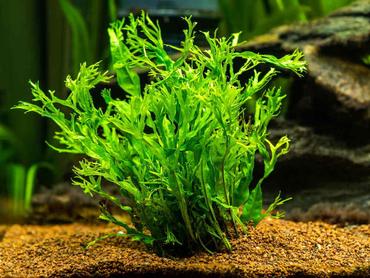
The second half of the equation involves dissolved nutrients, specifically phosphates and nitrates. These compounds enter your water column continuously through fish respiration, solid waste, organic decay, and uneaten flakes. In an overstocked or overfed aquarium housing large, boisterous livebearers like swordtails or mollies, nutrient accumulation occurs at an accelerated rate. If your weekly maintenance habits slip, these dissolved waste products act as premium liquid fertilizer. Algae is incredibly opportunistic; it can utilize raw, unbound nutrients much faster than slow-growing rooted plants like Anubias or Java Fern. By leaving these pollutants unchecked, you create a perfect high-nutrient storm that allows microscopic spores to colonize every available square inch of your substrate and glass.
Know Your Enemy: Identifying Common Algae Strains
Not all algae is created equal, and identifying the specific strain plaguing your setup is essential because each variety points to a very specific structural imbalance inside your tank. Diatoms, universally known as Brown Algae, are almost always the first invader to appear in a newly established aquarium. It forms a dusty, easily wiped-off powdery brown coating across the gravel, plastic ornaments, and slow-moving leaves. Beginners often panic, thinking their biological system is crashing. In reality, brown algae feeds primarily on silicates, a compound that naturally leaches out of brand-new aquarium glass, commercial substrate sands, and silicone sealants. Once the beneficial bacteria mature and strip the available silicates from the water column, brown algae typically starves and disappears on its own within a few weeks.
Green Spot Algae (GSA) presents a entirely different challenge, forming hard, circular, dark green dots on your viewing glass and the tough leaves of slow-growing plants. Unlike brown algae, GSA binds tenaciously to surfaces and requires an razor blade or a heavy-duty magnetic scraper to physically dislodge. Its presence is a classic diagnostic indicator of low phosphate levels combined with excessive light intensity or duration. On the opposite end of the structural spectrum sits Filamentous Green Algae, commonly called Hair Algae. This strain forms long, flowing, thread-like green networks that wrap around plant stems and look like green cobwebs swirling in the current. Hair algae thrives in environments where iron levels are elevated and there is a major fluctuation in dissolved carbon dioxide (CO2) levels, which frequently occurs in high-energy planted setups running unstable gas injection systems.
Perhaps the most dreaded and repulsive invader is Cyanobacteria, often mistakenly referred to as Blue-Green Algae. Cyanobacteria is not actually a true algae at all; it is a photosynthetic bacterium that builds a thick, slimy, blue-green or purple mat over everything it touches. It releases a distinct, musty, earthy odor that you can smell the moment you lift the aquarium lid. Cyanobacteria can fix its own nitrogen, meaning it thrives spectacularly in tanks where the nitrate level has dropped to absolute zero while phosphates remain high. It smothers live plants, seals off the substrate from oxygen exchange, and can be mildly toxic to sensitive grazing fish if eaten in massive quantities. Treating this specific bacterial invader requires a targeted approach that directly disrupts its cellular process rather than standard physical scraping.
Mechanical Control and Environmental Adjustments
When an outbreak strikes your display tank, manual extraction is your immediate frontline defense to reset the visual state of the ecosystem. Use a dedicated, coarse algae scrubbing pad or a high-quality magnetic glass cleaner to clear the viewing panes before executing your weekly water change. When dealing with hair algae, a highly practical trick is to insert a clean, unused toothbrush directly into the dense green webs, spinning the handle smoothly to wrap the long filaments around the bristles like spaghetti on a fork. Always siphon out the dislodged fragments immediately using your gravel vacuum; leaving loose clumps floating in the water column simply allows them to rot, breakdown, and re-release their stored nutrients straight back into your system to fuel the next generation of spores.
Once the physical cleanup is complete, you must adjust your environmental parameters to ensure the invader cannot make a swift comeback. Start by regulating your light cycle using a reliable digital plug-in timer. Set the photoperiod to a strict 6 to 8 hours max per day. If you are struggling with an exceptionally stubborn, systemic infestation, implementing a total "blackout" is an incredibly powerful, natural remedy. Wrap the entire exterior of the aquarium in thick black trash bags or heavy blankets for three consecutive days, completely cutting off all ambient and direct light. Your higher-order live plants possess stored energy reserves and will easily survive this temporary darkness, but the primitive, simple cellular structure of the algae will completely collapse, leaving behind dead, gray debris that your filtration can easily sweep away.
To permanently keep nutrients below the threshold where algae can easily exploit them, you must commit to an uncompromising, rigorous water maintenance routine. Perform a 25% to 30% partial water change every single week without fail, taking care to deeply vacuum your gravel to pull out buried pockets of decomposing detritus. If you discover that your local municipal tap water flows out of the faucet already heavily laden with natural phosphates or nitrates, standard tap water changes will unintentionally feed your problem. In these advanced scenarios, investing in a Reverse Osmosis Deionization (RO/DI) filtration system is the ultimate solution, providing you with pure water that acts as a blank slate, allowing you to manually add back only the exact minerals your livestock requires.
The Clean-Up Crew: Biological Control Partners
While mechanical scrubbing handles the heavy lifting, partnering with specialized biological organisms creates a continuous, 24-hour maintenance team that grooms your tank surfaces cleanly. Introducing an intentional clean-up crew is an excellent way to keep minor daily algae film under perfect control. For smaller community tanks housing peaceful species like neon tetras or harlequin rasboras, the Otocinclus Catfish is an absolute superstar. These diminutive, highly social schooling catfish possess specialized sucker mouths engineered to gently rasp away soft green and brown diatom films from delicate plant leaves without ever damaging the underlying plant tissue. They are highly efficient, but because they are strictly social creatures, they must always be kept in groups of at least four to six individuals to prevent severe loneliness and chronic stress.
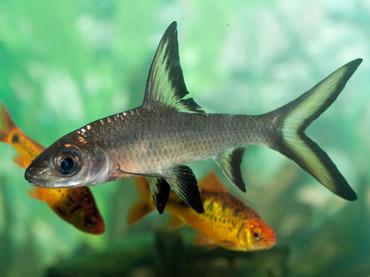
If you are battling tough, hairy infestations that other livestock refuse to touch, the Siamese Algae Eater (SAE) is one of the very few fish species capable of consuming coarse hair algae and black beard algae. These active, slender bottom-dwellers cruise the aquarium relentlessly, grazing on stubborn tufts. However, intermediate hobbyists must exercise caution at the pet shop: ensure you are purchasing the true Siamese Algae Eater (Crossocheilus oblongus) and not the lookalike Chinese Algae Eater (Gyrinocheilus aymonieri). The Chinese variety quickly outgrows small setups, turns highly aggressive as it matures, and will completely abandon eating algae in favor of latching onto the flat sides of large tank mates like angelfish to scrape off their protective biological slime coat.
For hobbyists who prefer non-fish options, freshwater invertebrates offer unmatched utility and a incredibly low biological footprint. Nerite Snails are legendary in the hobby because they are voracious consumers of green spot algae and film, working systematically across the glass like tiny lawnmowers. As an added bonus for community management, Nerite snails cannot successfully reproduce in pure freshwater, meaning you never have to worry about an accidental population explosion overtaking your filter components. Another phenomenal invertebrate option is the Amano Shrimp. These large, industrious dither shrimp spend their entire day picking through dense mosses and fine hair algae networks, making them an indispensable asset for any highly stylized planted layout.
Compatibility and Care Considerations
Integrating an algae-eating clean-up crew requires a deep understanding of species compatibility and social dynamics. It is a dangerous, common mistake to view these helpful creatures as automated cleaning tools rather than live animals with strict environmental needs. For instance, adding delicate Amano shrimp or small Otocinclus catfish into an established aquarium featuring large, semi-aggressive centerpiece fish like full-grown Angelfish or Golden Gouramis is a recipe for instant disaster. Despite your best intentions to clean the tank, the larger, predatory fish will quickly view these expensive invertebrates and nano catfish as an opportunistic live snack. To ensure your maintenance animals can work peacefully without being hunted, always consult our core breakdown on the basics of freshwater fish compatibility before making a purchase.
Furthermore, you must carefully monitor your water chemistry parameters when altering your tank's dynamic to fight algae. If you have been skimping on maintenance and your nitrates have quietly crept up over 40 ppm, executing a massive, reactive 80% water change to strip nutrients can inadvertently trigger parameter shock in your livestock, leading to secondary illnesses. To accurately track your chemical levels and verify that your preventative maintenance is working smoothly without destabilizing your nitrogen cycle, review our expert guide on water testing in your freshwater aquarium. Keeping your parameters stable is always vastly superior to chasing zero algae through drastic environmental swings.
Lastly, keep in mind that a clean-up crew can easily become victims of their own stellar success. Once a school of Otocinclus catfish or a colony of Nerite snails completely strips your tank glass and rockwork bare of soft brown diatoms, their primary, natural food source is completely gone. If you fail to intervene, these specialized grazers will slowly starve to death. To keep your clean-up crew healthy over the long term, you must actively supplement their diet. Drop high-quality sinking spirulina algae wafers or blanched zucchini slices into the tank at night after the main lights have turned off, ensuring these specialized bottom-dwellers receive the essential long-term nutrition they need to stay strong and active.
The Algae Control Action Checklist
Maintaining a sparkling, visually stunning aquarium requires establishing consistent, preventative habits that discourage spores from expanding. Implement this targeted reference checklist to structure your defense and keep your aquatic layout operating in perfect equilibrium:
- Limit your daily aquarium lighting duration to a strict window of 6 to 8 hours using a reliable automatic timer.
- Avoid placing your aquarium in direct proximity to windows, as unpredictable natural sunlight will rapidly spark severe green water blooms.
- Perform a 25% partial water change every single week to manually export built-up nitrates and organic phosphates before they accumulate.
- Thoroughly vacuum your gravel substrate during every water change to eliminate pocketed detritus, dead plant matter, and waste slurry.
- Stock your tank with fast-growing, heavy-feeding live plants like Hornwort, Water Wisteria, or floating Frogbit to naturally outcompete algae for nutrients.
- Never overfeed your livestock; ensure all provided food flakes or pellets are completely consumed within two minutes to prevent rotting waste.
- Manually scrape down your viewing glass and pull out long hair filaments before executing your weekly water siphon.
- Verify that your clean-up crew species are fully behaviorally compatible with your primary fish before introducing them to the environment.
- Supplement the diet of your specialized grazing snails and catfish with commercial spirulina wafers once the natural algae supply drops.
- Avoid using quick-fix chemical algaecides, as they treat only the superficial symptoms while adding heavy chemical stress to your fish.
Achieving a Balanced Ecosystem
Conquering an aggressive algae bloom can initially feel like a losing, uphill battle, but it is ultimately one of the most educational and rewarding turning points in a hobbyist's journey. Experiencing these outbreaks forces us to stop looking at the aquarium as a static decoration and start treating it as a live, evolving micro-habitat. When you manage your light intervals precisely, control your feeding quantities, and back your ecosystem up with a robust biological filtration unit and a highly compatible clean-up crew, the green sludge naturally retreats. A clean, clear, healthy tank is the direct byproduct of ecological balance, not aggressive chemical intervention. To ensure your setup has the raw biological muscle required to process waste efficiently and help you win the long-term war on nutrients, explore our detailed resource on choosing the right filtration system for your aquarium to find the ideal mechanical and biological match for your home ecosystem.


MOST RECENT ARTICLES