WATER TESTING IN YOUR FRESHWATER AQUARIUM

The Nitrogen Cycle: Your Tank's Invisible Biological Filter
Understanding water testing requires a solid grasp of the nitrogen cycle, the fundamental biological process that keeps an aquarium alive. When fish consume food, their bodies process proteins and excrete waste primarily in the form of ammonia through their gills and feces. Leftover flakes, decaying plant matter, and detritus also break down into ammonia. In a newly established aquarium, this ammonia quickly builds up to toxic levels, causing chemical burns on the gills of sensitive species such as neon tetras and fancy guppies. Testing your water during the first few weeks will show a steep rise in ammonia, which should always read exactly 0 parts per million (ppm) in a fully cycled, healthy aquarium.
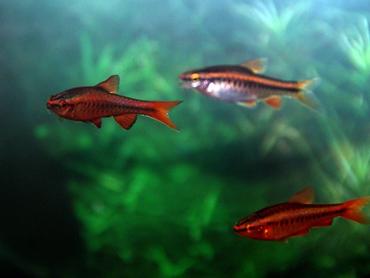
As your tank matures, a beneficial strain of nitrifying bacteria known as Nitrosomonas establishes itself within your filter media and gravel substrate. These microscopic heroes consume the toxic ammonia and convert it into a secondary compound called nitrite. While this is progress, nitrite is equally dangerous to your livestock. It enters a fish’s bloodstream and oxidizes the iron in their hemoglobin, creating a life-threatening condition called brown blood disease, which prevents the fish from properly absorbing oxygen. If you notice your cherry barbs or platy fish hovering nervously near the water surface, gasping for air despite strong filter agitation, a water test will likely reveal an elevated nitrite level. Like ammonia, your target level for nitrite must always be a strict 0 ppm.
Fortunately, a second class of beneficial bacteria, Nitrobacter, arrives to finalize the cycle by converting harmful nitrites into nitrates. Nitrate is significantly less toxic to freshwater tropical fish and is readily tolerated in low concentrations. However, it does not disappear on its own; it steadily accumulates over time. High nitrate levels exceeding 40 ppm can stunt the growth of young fish, compromise their immune systems, and trigger massive, unsightly hair algae blooms. The only way to remove nitrates from a standard aquarium is through regular, partial water changes. By testing your water weekly, you can track this nitrate buildup and accurately determine exactly how much water you need to change to keep the environment safe and balanced.
The Vital Chemistry Triad: pH, GH, and KH
Beyond the nitrogen cycle, water testing measures three interconnected parameters that dictate the comfort, behavior, and long-term survival of your fish: pH, General Hardness (GH), and Carbonate Hardness (KH). The parameter known as pH measures how acidic or alkaline your water is on a scale of 0 to 14, with 7.0 being completely neutral. Most tropical fish adapt well to a stable pH between 6.5 and 7.5. However, consistency is far more crucial than hitting a perfect decimal point. A sudden, rapid swing in pH can shock a fish’s internal metabolic system, causing lethargy, excess mucus production, and sudden mortality. For example, fragile wild-caught Altum Angelfish prefer soft, acidic conditions, whereas hardy livebearers like swordtails thrive in harder, more alkaline water.
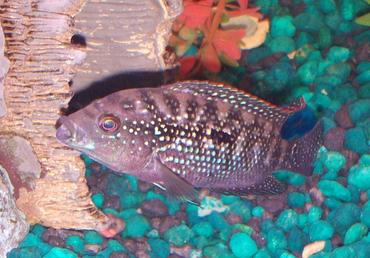
General Hardness (GH) represents the concentration of calcium and magnesium ions dissolved in your water. This parameter is commonly referred to as "soft" or "hard" water. Calcium and magnesium are essential nutrients that fish absorb directly through their skin and gills to aid in bone development, cellular function, and electrolyte balance. Species that evolved in the vast, soft river basins of South America, such as rummynose tetras and discus, thrive in low GH environments. Conversely, African Cichlids native to Lake Malawi require very high GH water to remain healthy and showcase their brilliant, neon coloration. Testing your GH ensures you aren't inadvertently keeping hard-water fish in liquid pure enough to be rainwater, or vice versa.
Carbonate Hardness (KH), often called total alkalinity, acts as the invisible safety net or chemical buffer for your entire aquarium. KH measures the concentration of carbonate and bicarbonate ions, which are responsible for neutralizing acids in the water column. As your filter bacteria break down fish waste, they naturally release mild acids that slowly eat away at your tank's KH. If your water has a very low KH reading, there are not enough buffers to absorb these acids, resulting in a sudden, catastrophic drop in pH known as a "pH crash." Testing your KH weekly is an absolute necessity for intermediate hobbyists, as a healthy buffer level ensures your pH remains rock-solid and predictable.
Choosing Your Diagnostic Tools: Strips vs. Liquid Test Kits
When you walk into a local pet shop or browse online aquarium suppliers, you will find two primary diagnostic options for monitoring your water chemistry: paper test strips and liquid reagent test kits. Many beginners naturally gravitate toward multi-parameter test strips because they are inexpensive, widely available, and offer results in under sixty seconds. You simply dip the paper strip into the aquarium water, wave it in the air, and match the changing colors on the pads to a reference grid on the back of the bottle. While strips are excellent for quick, casual safety checks, they have significant drawbacks. The reactive pads are highly sensitive to humidity; exposing the inside of the bottle to ambient room moisture can ruin an entire batch, leading to dangerously inaccurate readings.
For true accuracy and dependable tank management, a comprehensive liquid reagent master test kit is the gold standard of the hobby. Liquid kits involve filling a small glass test tube with a precise sample of your aquarium water and adding a specific number of chemical drops. The resulting chemical reaction changes the color of the entire water column, which you then compare against a highly accurate, calibrated color chart. While this process requires a few extra minutes of your time, liquid kits are far more reliable, precise, and cost-effective in the long run. They allow you to pinpoint exact numerical values, making it easy to identify minor, early-stage ammonia fluctuations before they escalate into a full-tank emergency.
A classic beginner pitfall when using liquid test kits involves the nitrate test process. The second reagent bottle in most nitrate kits contains a chemical suspension that naturally settles and solidifies over time. If you do not vigorously shake that specific bottle for at least 30 to 60 seconds before adding the drops to your test tube, the chemical components will not mix correctly. This error almost always yields a falsely low nitrate reading, tricking you into believing your water is pristine when it might actually be dangerously high in waste compounds. Always read the instruction manual carefully, follow the exact timing prompts, and rinse your test tubes thoroughly with clean tap water after every use.
Compatibility and Care Considerations
Water parameters are the ultimate deciding factor when choosing compatible tank mates for a community aquarium. It is a common mistake to mix fish based solely on their peaceful temperaments, completely overlooking their biological water preferences. For instance, pairing a blue ram cichlid with a colony of cherry shrimp might seem acceptable on paper, but rams require warm, soft, acidic water, while shrimp need abundant calcium and minerals in harder water to successfully molt their protective outer shells. For a deeper look into selecting species that share the exact same environmental needs, check out our guide on the basics of freshwater fish compatibility to avoid housing mismatched livestock together.
When your water test reveals a parameter that is outside the ideal zone, your immediate instinct might be to purchase chemical adjustment fluids to quickly force the numbers up or down. This reactive approach often does more harm than good. Artificially altering your pH with bottled commercial additives creates a volatile environment where the pH rapidly drops, bounces back, and destabilizes your ecosystem. Instead of relying on quick chemical fixes, successful hobbyists use natural, gentle methods to manage water chemistry. If your water testing shows a persistently high pH and GH, adding natural driftwood or Indian almond leaves to the layout will slowly release tannins that gently soften the water over several weeks.
Similarly, if you discover that your local tap water has a low KH and is prone to sudden pH drops, you can naturally boost your buffering capacity by adding a small mesh bag of crushed coral or aragonite sand inside your filter compartment. The crushed coral dissolves slowly into the water column, safely raising both the hardness and stability of your tank. To ensure your biological filtration is running efficiently enough to process these changes, it is highly beneficial to review how your filtration choice impacts waste breakdown. Read our detailed guide on choosing the right filtration system for your aquarium to maximize your biological surface area.
The Master Water Testing Protocol
Developing a structured testing routine is the most effective way to eliminate stress and keep your aquatic habitat thriving. Implement this systematic reference checklist to build a reliable history of your aquarium’s health and maintain ideal water parameters:
- Test a new aquarium for ammonia and nitrite every 48 hours during the initial cycling phase to track bacterial development.
- Monitor your established community aquarium weekly for nitrates to accurately schedule your partial water changes.
- Always test your water immediately if you notice unusual fish behaviors, such as heavy breathing, clamped fins, or hiding.
- Keep a written or digital logbook of all your test results to easily track subtle parameter drifts over several months.
- Test your source tap water twice a year to check for seasonal changes in municipal chemistry, chloramines, or nitrates.
- Shake all liquid reagent bottles vigorously before use, paying strict attention to the precise timing instructions for each chemical test.
- Never allow chemical reagents to sit in the glass test tubes overnight, as this can permanently stain and warp the glass.
- Check the expiration dates printed on your test kits, as old reagents degrade and produce highly inaccurate readings.
- Perform a comprehensive water test before adding any new fish to confirm the environment is completely stable.
Your Blueprint for Aquatic Success
Regular water testing might seem like an intimidating chore when you first enter the aquarium hobby, but it quickly becomes an incredibly rewarding habit. By taking the time to monitor your water parameters, you transition from a reactive caretaker who only acts during an emergency to a proactive aquarist who prevents problems before they can ever start. The data you gather from your test tubes gives you the confidence to breed delicate species, grow demanding aquatic plants, and maintain a vibrant, balanced community. If you want to dive even deeper into the specific science behind these chemical values, read our breakdown on aquarium water chemistry made simple to fully master your tank's hidden ecosystem.

MOST RECENT ARTICLES